

MEN'S TREATMENTS · LONDON
Acne Scar Treatment for Men
Different scar types need different treatment. We map yours before we treat, and we are honest about how much improvement is realistic.
Last clinically reviewed: August 2026
Acne scarring is treatable, but it needs the right treatment matched to the right scar type, and usually more than one modality.
The single biggest reason acne scar treatment disappoints is that all scars get treated the same way. Rolling, boxcar and ice-pick scars have different structures and respond to different interventions. An honest assessment starts by identifying which types you have.
Matching treatment to scar type
| Scar type | Appearance | Responds best to |
|---|---|---|
| Rolling | Broad, shallow depressions with sloping edges | Subcision and collagen stimulation |
| Boxcar | Sharply defined edges, flat base | Resurfacing and focal treatment |
| Ice-pick | Narrow, deep, needle-like pits | Focal chemical technique, then resurfacing |
| Post-inflammatory pigmentation | Flat brown or red marks, no texture change | Topical regime and pigment-targeted treatment |
| Hypertrophic | Raised, firm scar tissue | Intralesional treatment |
How treatment is planned
- Active acne firstTreating scars while acne is still active produces new scars. Control comes first, referred to dermatology if needed.
- Scar mappingTypes are identified and photographed under standardised lighting.
- Staged planUsually a combination of modalities across several months, sequenced deliberately.
- Skin preparationA topical regime before treatment reduces the risk of post-inflammatory pigmentation.
- Review and refinementProgress assessed against baseline photographs, plan adjusted.
Skin tone considerations
Men with darker skin tones carry a higher risk of post-inflammatory hyperpigmentation after resurfacing treatments. This does not rule treatment out, but it changes the approach: gentler settings, more sessions, a longer topical preparation phase and careful sun protection throughout.
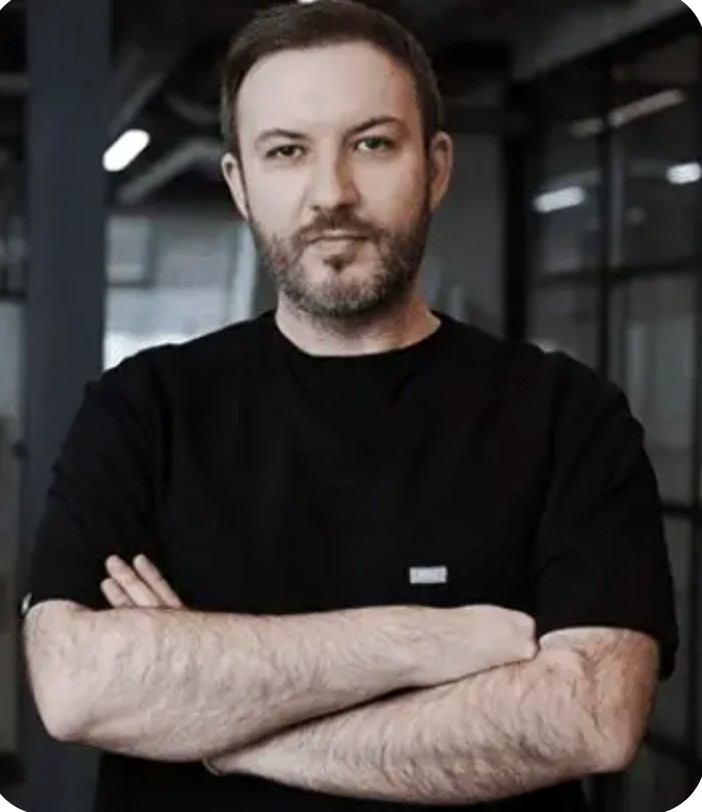 Clinically reviewed by Dr. Ducu Botoaca
Aesthetic & Hair Transplant Surgeon and founder of The Men Clinics, Soho, London. This page is general information and is not a substitute for a personal medical assessment.
Clinically reviewed by Dr. Ducu Botoaca
Aesthetic & Hair Transplant Surgeon and founder of The Men Clinics, Soho, London. This page is general information and is not a substitute for a personal medical assessment.
Frequently asked questions
Can acne scars be removed completely?
Realistically, no. A well-planned course typically achieves fifty to eighty percent improvement, which is usually enough that the scarring no longer draws attention. Anyone promising complete erasure is overselling.
How many sessions will I need?
Most cases need three to six sessions across several months, often combining more than one modality. The number depends on scar type, depth and how your skin responds.
Can I be treated while I still have active acne?
No. Treating through active acne risks creating new scarring. Getting the acne controlled comes first, and we will refer you to dermatology if that needs medical management.
Is treatment different for darker skin?
Yes. There is a higher risk of post-inflammatory pigmentation, so we use gentler settings, more sessions and a longer topical preparation phase. It is very treatable, but the protocol is adjusted.
How much downtime is there?
It varies by modality, typically two to seven days of redness and flaking after resurfacing treatments. We will tell you exactly what to expect before each session so you can plan around work.
EXPLORE MORE
Other treatments
Ready to talk to a specialist?
Book a free, no-obligation consultation at our Soho clinic. You will get an examination, an honest assessment and a written plan with no deposit requested on the day.
The information on this page is general guidance and is not medical advice. It does not replace a personal consultation with a qualified clinician. Individual results vary. The Men Clinics, Soho, London.