

MEN'S TREATMENTS · LONDON
Non-Surgical Hair Loss Treatment
Surgery redistributes hair; it does not stop loss. For many men the right first move is protecting what is still there.
Last clinically reviewed: August 2026
Not every man needs surgery. For many, the right first step is protecting the hair you still have.
Surgery redistributes hair. It does not stop hair loss. Any man considering a transplant in his twenties or thirties should have a medical strategy alongside it, and many men with early thinning should try that strategy on its own for twelve months before deciding about surgery at all.
The options, compared honestly
| Treatment | Evidence | Best for | Commitment |
|---|---|---|---|
| Medical therapy | Strongest | Slowing genetic loss | Daily, ongoing |
| PRP | Moderate | Early miniaturisation | Sessions + maintenance |
| Mesotherapy | Limited | Scalp condition | Course + maintenance |
| Exosomes | Emerging | Adjunct to a plan | Course + maintenance |
| SMP | Cosmetic | Density illusion, scars | 3 sessions + top-ups |
Building a plan
- Establish the causeAssessment, and blood tests where the history suggests a treatable contributor.
- Protect what you haveMedical therapy where appropriate, since this addresses the underlying process.
- Support the folliclesPRP or mesotherapy for miniaturising hair, as an adjunct.
- Review at twelve monthsStandardised photography to measure real change rather than impressions.
- Reassess surgeryWith loss stabilised, a transplant plan can be built on solid ground.
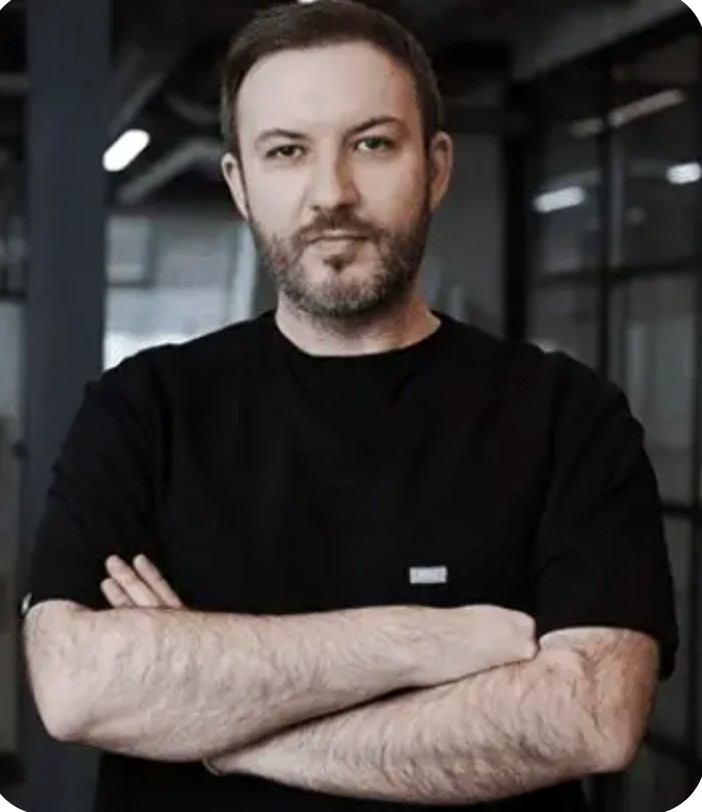 Clinically reviewed by Dr. Ducu Botoaca
Aesthetic & Hair Transplant Surgeon and founder of The Men Clinics, Soho, London. This page is general information and is not a substitute for a personal medical assessment.
Clinically reviewed by Dr. Ducu Botoaca
Aesthetic & Hair Transplant Surgeon and founder of The Men Clinics, Soho, London. This page is general information and is not a substitute for a personal medical assessment.
Frequently asked questions
Can I avoid a hair transplant altogether?
Sometimes. Men with early thinning who respond well to medical therapy can maintain their hair for many years without surgery. Whether that is realistic for you depends on your stage of loss and how you respond in the first twelve months.
Which non-surgical treatment has the best evidence?
Medical therapy targeting DHT has by far the strongest evidence base. PRP has moderate supporting evidence. Mesotherapy and exosomes are adjuncts with more limited or emerging data.
How long before I know if treatment is working?
Twelve months, judged on standardised photographs rather than daily mirror impressions. Shedding often reduces earlier, around month three to four, which is a useful early signal.
Do I have to keep treatment up forever?
For genetic hair loss, yes. The underlying process continues, so stopping treatment means loss resumes, usually within six to twelve months.
EXPLORE MORE
Other treatments
Ready to talk to a specialist?
Book a free, no-obligation consultation at our Soho clinic. You will get an examination, an honest assessment and a written plan with no deposit requested on the day.
The information on this page is general guidance and is not medical advice. It does not replace a personal consultation with a qualified clinician. Individual results vary. The Men Clinics, Soho, London.