
HAIR RESTORATION · LONDON
Hair Transplant Repair
The most complex work we do. An honest assessment of what can be corrected, what can only be improved, and what is better left alone.
Last clinically reviewed: August 2026
Repair work is the most complex surgery we perform, and demand for it has risen sharply as cheap overseas packages have grown.
Men come to us with hairlines that are too low or too straight, grafts placed at wrong angles, pluggy multi-hair units at the front edge, depleted donor areas and visible scarring. Some of these problems are fully correctable. Some can only be improved. We tell you which category you are in before you commit to anything.
What we most commonly repair
| Problem | Typical cause | Can it be corrected? |
|---|---|---|
| Hairline too low or too straight | Design without regard to age or proportion | Usually — by removing and redistributing grafts |
| Pluggy front edge | Multi-hair grafts placed at the leading edge | Usually — extract, split and replace with singles |
| Wrong graft angle | Rushed or technician-led placement | Often — extraction and repositioning |
| Over-harvested donor | Excessive extraction density in one session | Partially — SMP and careful redistribution help |
| Visible strip scar | Older FUT surgery | Improved — grafting into the scar, or SMP |
| Poor growth / low yield | Graft handling or transection | Depends — assessment required |
How repair cases are approached
- Full assessmentWe examine the existing work under magnification, assess remaining donor supply and photograph everything.
- An honest prognosisYou are told what is achievable, what is not, and how many sessions it will realistically take.
- Removal where neededBadly angled or oversized grafts are extracted, and where viable, split and re-implanted elsewhere.
- RebuildingNew single-hair work softens the edge and corrects the line, using whatever donor supply remains.
- Camouflage where requiredScalp micropigmentation can reduce contrast in depleted donor zones or around scars.
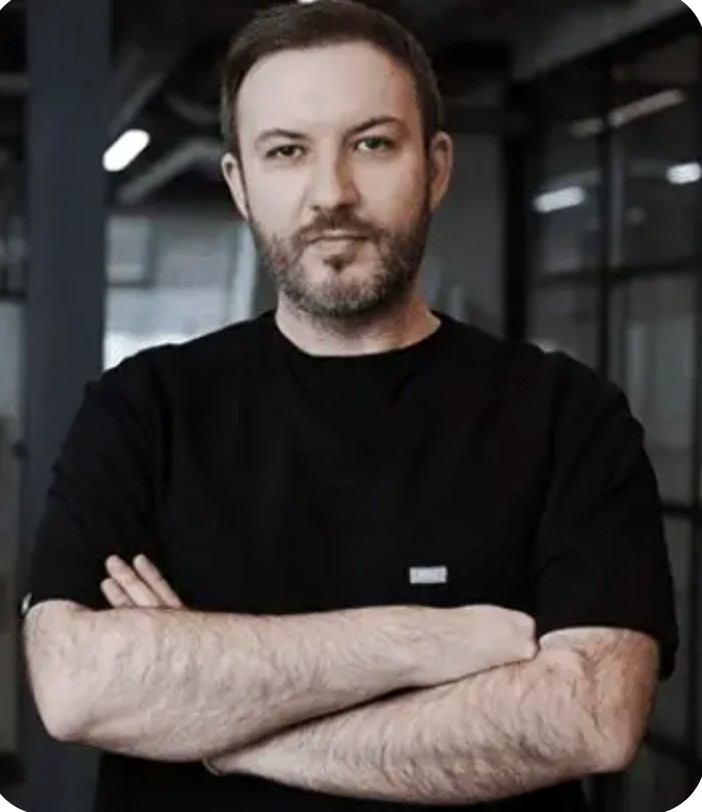 Clinically reviewed by Dr. Ducu Botoaca
Aesthetic & Hair Transplant Surgeon and founder of The Men Clinics, Soho, London. This page is general information and is not a substitute for a personal medical assessment.
Clinically reviewed by Dr. Ducu Botoaca
Aesthetic & Hair Transplant Surgeon and founder of The Men Clinics, Soho, London. This page is general information and is not a substitute for a personal medical assessment.
Frequently asked questions
Can a bad hair transplant always be fixed?
No, and any clinic promising otherwise is not being straight with you. Outcomes depend almost entirely on how much donor supply remains. Angle and design errors are usually correctable. Severe donor depletion limits what is possible, and camouflage may be the better route.
How long should I wait before repair surgery?
At least twelve months after the original procedure, so the full result has grown in and can be properly assessed. Operating too early risks correcting something that would have improved on its own.
Will repair cost more than the original surgery?
Often yes. Repair involves extraction of existing grafts as well as new placement, is slower per graft, and frequently requires more than one session. You receive a full written quote before anything is agreed.
I had my transplant abroad and cannot go back. Can you help?
Yes. A significant proportion of our repair patients were treated overseas. We do not need records from the original clinic, though photographs from before your first procedure are helpful if you have them.
Can scalp micropigmentation help hide a bad result?
It can reduce the contrast between hair and scalp, making thin areas and donor depletion far less obvious. It is often used alongside surgical repair rather than instead of it.
EXPLORE MORE
Other treatments
Ready to talk to a specialist?
Book a free, no-obligation consultation at our Soho clinic. You will get an examination, an honest assessment and a written plan with no deposit requested on the day.
The information on this page is general guidance and is not medical advice. It does not replace a personal consultation with a qualified clinician. Individual results vary. The Men Clinics, Soho, London.