

HAIR LOSS GUIDE · THE MEN CLINICS
Stress and Hair Loss: What the Evidence Says
Stress causes a real, well-documented type of shedding. It is not male pattern baldness, and it usually reverses.
Last clinically reviewed: August 2026
Significant physical or emotional stress can push a large proportion of follicles into their resting phase simultaneously, producing dramatic diffuse shedding two to three months later.
The delay is why the cause is so often missed. Men connect shedding to whatever is happening now, when the trigger was a bereavement, illness, operation or crisis months earlier.
Telogen effluvium versus pattern loss
| Telogen effluvium | Male pattern loss | |
|---|---|---|
| Onset | Sudden, 2–3 months post-trigger | Gradual over years |
| Pattern | Diffuse across the whole scalp | Temples and crown |
| Shedding volume | Dramatic, handfuls | Gradual, often unnoticed |
| Reversible | Usually, within 6–9 months | No, progressive |
| Donor area | Also affected | Preserved |
Common triggers
- Major illness, high fever or COVID infection
- Surgery and general anaesthetic
- Bereavement, divorce or acute psychological stress
- Rapid weight loss or crash dieting
- Starting or stopping certain medications
- Iron deficiency or thyroid dysfunction
What to do
Most telogen effluvium resolves without treatment once the trigger has passed. Addressing any deficiency, eating adequately and allowing time are the main interventions. Avoid making major treatment decisions during an active shed, because the picture is not representative.
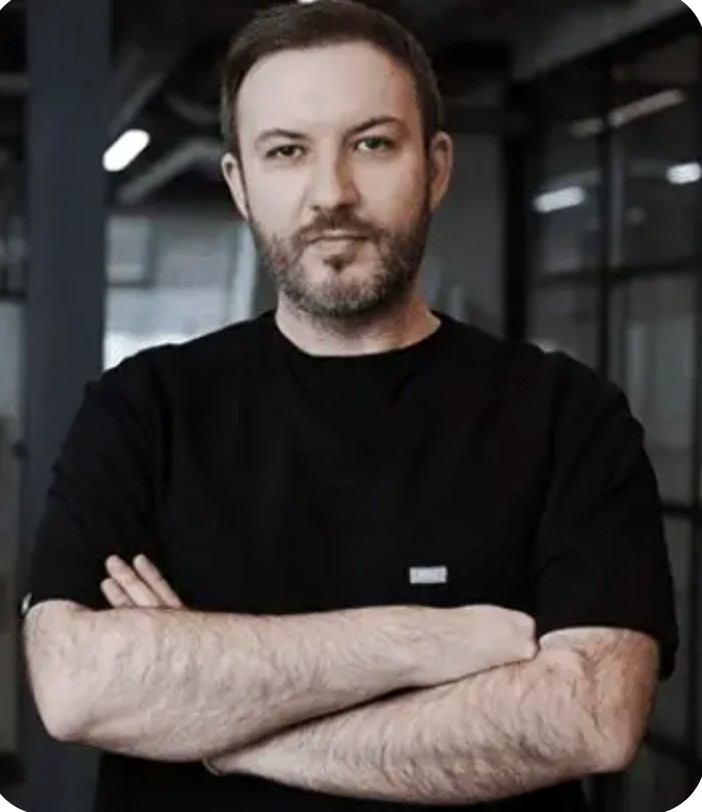 Clinically reviewed by Dr. Ducu Botoaca
Aesthetic & Hair Transplant Surgeon and founder of The Men Clinics, Soho, London. This page is general information and is not a substitute for a personal medical assessment.
Clinically reviewed by Dr. Ducu Botoaca
Aesthetic & Hair Transplant Surgeon and founder of The Men Clinics, Soho, London. This page is general information and is not a substitute for a personal medical assessment.
Frequently asked questions
How long does stress-related hair loss last?
Typically three to six months of shedding, with recovery over the following six to nine months. Chronic telogen effluvium can persist longer and warrants investigation.
Will my hair fully grow back?
In most cases yes, provided the trigger has resolved. If you also have underlying pattern loss, the recovery may reveal thinning that was previously masked.
Can stress make male pattern baldness worse?
It can accelerate the visibility of existing pattern loss by triggering a shed on top of it, but it does not cause the underlying genetic process.
Should I take supplements?
Only to correct a documented deficiency. Blood tests first, supplements second. Taking iron without a deficiency is unhelpful and can be harmful.
KEEP READING
More hair loss guides
Ready to talk to a specialist?
Book a free, no-obligation consultation at our Soho clinic. You will get an examination, an honest assessment and a written plan with no deposit requested on the day.
The information on this page is general guidance and is not medical advice. It does not replace a personal consultation with a qualified clinician. Individual results vary. The Men Clinics, Soho, London.